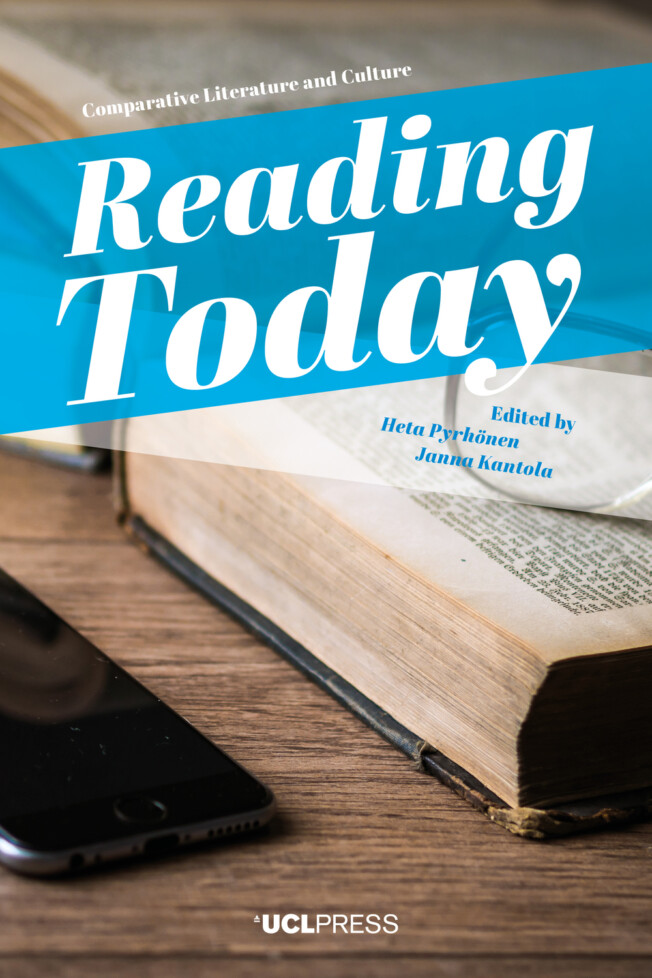

Reading Today
Heta Pyrhönen (Editor), Heta Pyrhönen (Editor), Janna Kantola (Editor), Janna Kantola (Editor)
New technologies are changing our reading habits. Laptops, e-readers, tablets and other handheld devices supply new platforms for reading, and we must learn to manage them by scrolling, clicking or tapping. Reading Today places reading in current literary and cultural contexts in order to analyse how these contexts challenge our conceptions of who reads, what reading is, how we read, where we read, and for what purposes – and then responds to the questions this analysis raises. Is our reading experience becoming a ‘flat’ one? And does reading in a media environment favour quick reading?
Alongside these questions, the contributors unpack emerging strategies of reading.They consider, for example, how paying attention to readers’ emotional reactions as an indispensable component of reading affects our conception of the reading process. Other chapters consider how reading can be explored through such topics as experimental literature, the contemporary encyclopedic novel and the healing power of books.
Related titles
Gabriel Harvey and the History of Reading
Anthony Grafton, Nicholas Popper, William H. Sherman,
08 January 2024
Gabriel Harvey and the History of Reading
Anthony Grafton, Nicholas Popper, William H. Sherman,
08 January 2024

Comparative Perspectives on the Rise of the Brazilian Novel
Ana Cláudia Suriani da Silva, Sandra Guardini Vasconcelos,
14 May 2020
Comparative Perspectives on the Rise of the Brazilian Novel
Ana Cláudia Suriani da Silva, Sandra Guardini Vasconcelos,
14 May 2020


Anneleen Masschelein, Florian Mussgnug, Jennifer Rushworth,
25 November 2021
Anneleen Masschelein, Florian Mussgnug, Jennifer Rushworth,
25 November 2021
Reading Today
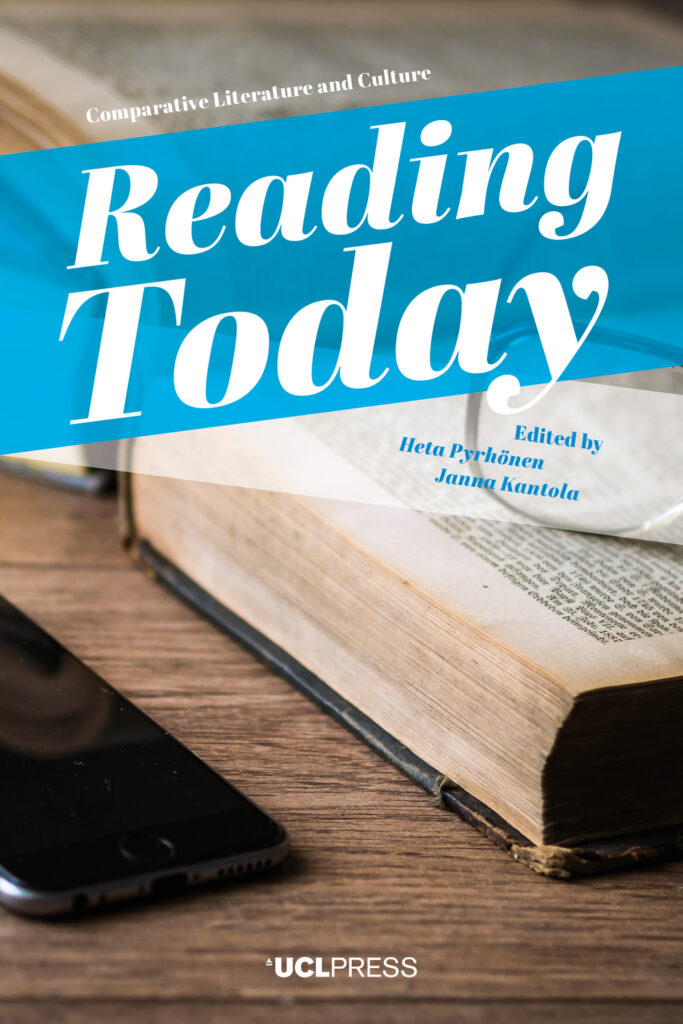
New technologies are changing our reading habits. Laptops, e-readers, tablets and other handheld devices supply new platforms for reading, and we must learn to manage them by scrolling, clicking or tapping. Reading Today places reading in current literary and cultural contexts in order to analyse how these contexts challenge our conceptions of who reads, what reading is, how we read, where we read, and for what purposes – and then responds to the questions this analysis raises. Is our reading experience becoming a ‘flat’ one? And does reading in a media environment favour quick reading?
Alongside these questions, the contributors unpack emerging strategies of reading.They consider, for example, how paying attention to readers’ emotional reactions as an indispensable component of reading affects our conception of the reading process. Other chapters consider how reading can be explored through such topics as experimental literature, the contemporary encyclopedic novel and the healing power of books.
‘An interesting volume for its contributions on various forms of reading and, above all, for placing some of the most relevant works of Finnish culture in the focus of philological and technological interpretation that characterizes Comparative Literature and Digital Humanities’
Blog de l’Escola de Llibreria