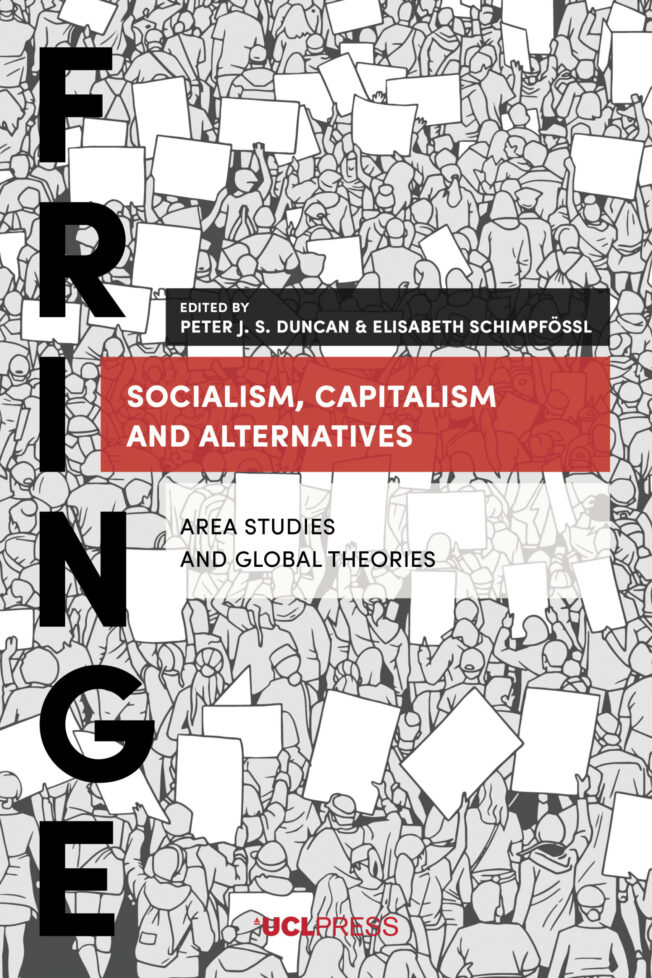

Socialism, Capitalism and Alternatives
Area Studies and Global Theories
Peter J. S. Duncan (Editor), Elisabeth Schimpfössl (Editor)
Series: FRINGE
In 1989 the Berlin Wall came down. Two years later the Soviet Union disintegrated. The collapse of communism in Eastern Europe and the Soviet Union discredited the idea of socialism for generations to come. It was seen as representing the final and irreversible victory of capitalism. This triumphant dominance was barely challenged until the 2008 financial crisis threw the Western world into a state of turmoil.
Through analysis of post-socialist Russia and Central and Eastern Europe, as well as of the United Kingdom, China and the United States, Socialism, Capitalism and Alternatives confronts the difficulty we face in articulating alternatives to capitalism, socialism and threatening populist regimes. Beginning with accounts of the impact of capitalism on countries left behind by the planned economies, the volume moves on to consider how China has become a beacon of dynamic economic growth, aggressively expanding its global influence.
The final section of the volume poses alternatives to the ideological dominance of neoliberalism in the West. Since the 2008 financial crisis, demands for social change have erupted across the world. Exposing the failure of neoliberalism in the United Kingdom and examining recent social movements in Europe and the United States, the closing chapters identify how elements of past ideas are re-emerging, among them Keynesianism and radical socialism. As those chapters indicate, these ideas might well have potential to mobilise support and challenge the dominance of neoliberalism.
Related titles

The Ambivalence of Power in the Twenty-First Century Economy
Vadim Radaev, Zoya Kotelnikova,
07 July 2022


Urban Informality and the Built Environment
Nerea Amorós Elorduy, Nikhilesh Sinha, Colin Marx,
12 March 2024


The Responsibility of Intellectuals
Nicholas Allott, Chris Knight, Neil Smith, Noam Chomsky,
03 September 2019

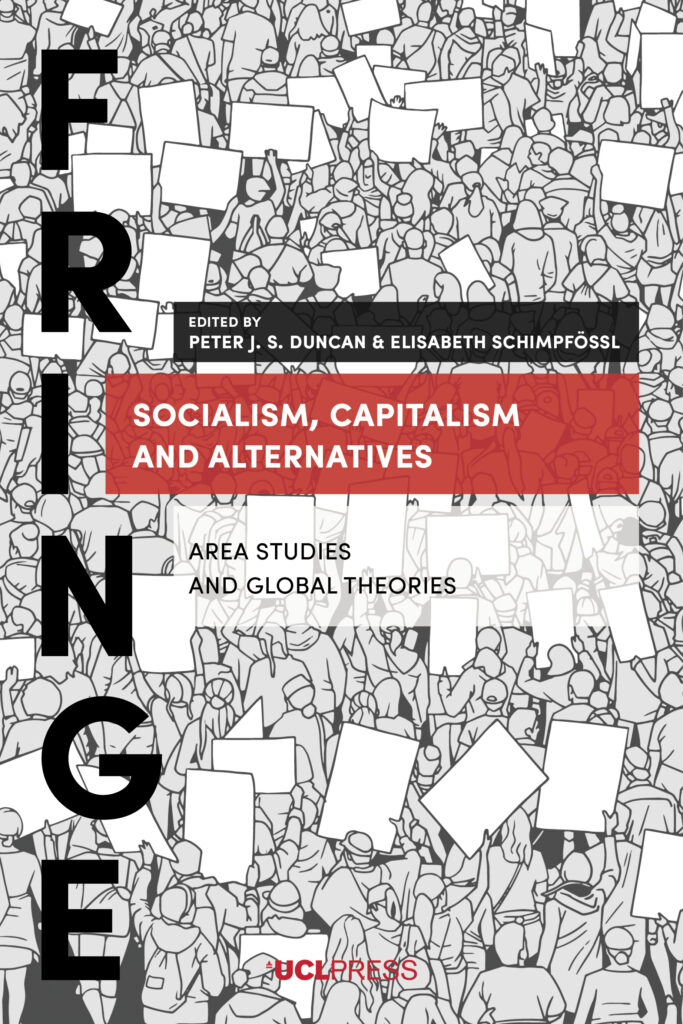
Socialism, Capitalism and Alternatives
Area Studies and Global Theories
In 1989 the Berlin Wall came down. Two years later the Soviet Union disintegrated. The collapse of communism in Eastern Europe and the Soviet Union discredited the idea of socialism for generations to come. It was seen as representing the final and irreversible victory of capitalism. This triumphant dominance was barely challenged until the 2008 financial crisis threw the Western world into a state of turmoil.
Through analysis of post-socialist Russia and Central and Eastern Europe, as well as of the United Kingdom, China and the United States, Socialism, Capitalism and Alternatives confronts the difficulty we face in articulating alternatives to capitalism, socialism and threatening populist regimes. Beginning with accounts of the impact of capitalism on countries left behind by the planned economies, the volume moves on to consider how China has become a beacon of dynamic economic growth, aggressively expanding its global influence.
The final section of the volume poses alternatives to the ideological dominance of neoliberalism in the West. Since the 2008 financial crisis, demands for social change have erupted across the world. Exposing the failure of neoliberalism in the United Kingdom and examining recent social movements in Europe and the United States, the closing chapters identify how elements of past ideas are re-emerging, among them Keynesianism and radical socialism. As those chapters indicate, these ideas might well have potential to mobilise support and challenge the dominance of neoliberalism.