We are currently upgrading our shopping cart; in the interim all orders are being diverted to Waterstones. If you would like to redeem a promotional code, or are an author wanting to place an order, please email us.
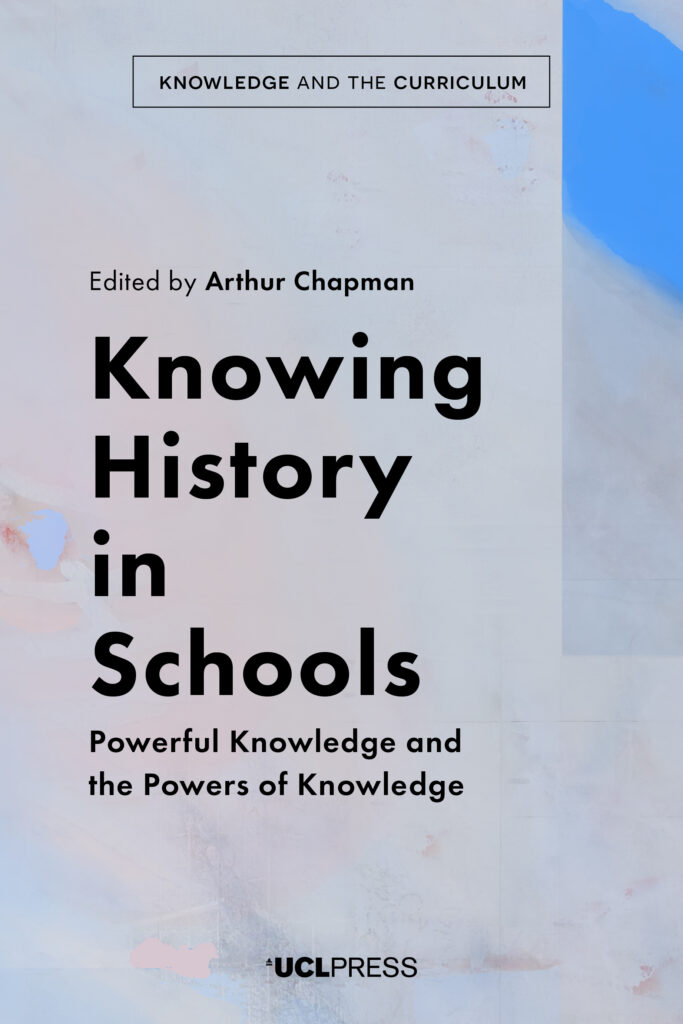
The ‘knowledge turn’ in curriculum studies has drawn attention to the central role that knowledge of the disciplines plays in education, and to the need for new thinking about how we understand knowledge and knowledge-building.
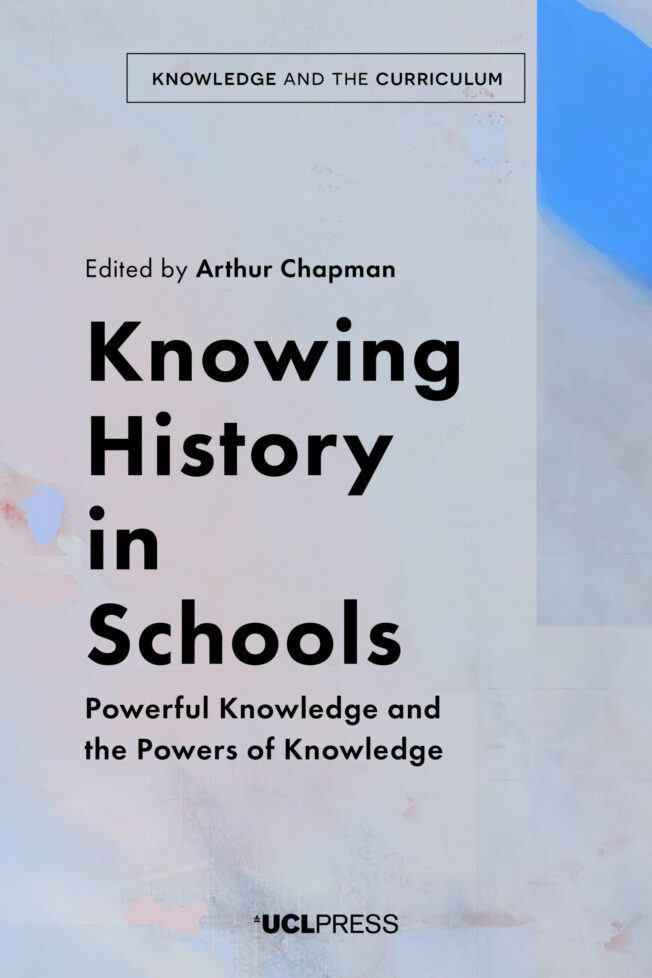
Knowing History in Schools explores these issues in the context of teaching and learning history through a dialogue between the eminent sociologist of curriculum Michael Young, and leading figures in history education research and practice from a range of traditions and contexts. With a focus on Young’s ‘powerful knowledge’ theorisation of the curriculum, and on his more recent articulations of the ‘powers’ of knowledge, this dialogue explores the many complexities posed for history education by the challenge of building children’s historical knowledge and understanding. The book builds towards a clarification of how we can best conceptualise knowledge-building in history education. Crucially, it aims to help history education students, history teachers, teacher educators and history curriculum designers navigate the challenges that knowledge-building processes pose for learning history in schools.
The ‘knowledge turn’ in curriculum studies has drawn attention to the central role that knowledge of the disciplines plays in education, and to the need for new thinking about how we understand knowledge and knowledge-building.
Knowing History in Schools explores these issues in the context of teaching and learning history through a dialogue between the eminent sociologist of curriculum Michael Young, and leading figures in history education research and practice from a range of traditions and contexts. With a focus on Young’s ‘powerful knowledge’ theorisation of the curriculum, and on his more recent articulations of the ‘powers’ of knowledge, this dialogue explores the many complexities posed for history education by the challenge of building children’s historical knowledge and understanding. The book builds towards a clarification of how we can best conceptualise knowledge-building in history education. Crucially, it aims to help history education students, history teachers, teacher educators and history curriculum designers navigate the challenges that knowledge-building processes pose for learning history in schools.
‘Raises the bar by addressing, with new insights, critical issues through the enlightening lens of powerful knowledge. There is much in this book that will interest scholars from across a wide range of subjects. It is a book that deserves a wide readership.’ The Curriculum Journal, BERA
‘a balanced and polyphonic contribution to the debate’ Passato e Presente
‘The collection… places history in a broader social and political context and, by opening up a debate about the “powerful knowledge” in teaching this subject, represents an unusually significant incentive for all researchers of history teaching, as well as historians, to reflect on the goals of their research and the ways in which they reach the rest of society, especially those that are just beginning to form.’ Istorija
Arthur Chapman (Editor)
Arthur Chapman is an Associate Professor in History Education at the UCL Institute of Education who has worked in history education research and history teacher education, and as a history teacher and lecturer in school and university. He has published widely in history education and is Editor-in-Chief of the History Education Research Journal. He is a Fellow of the Royal Historical Society and an Honorary Fellow of the Historical Association.
Sign up to our newsletter
Don't miss out! Subscribe to the UCL Press newsletter for the latest open access books, journal CfPs, news and views from our authors and much more!