
Publication date: 3 July 2023
DOI: https://doi.org/10.14324/111.9781800085183
Number of illustrations: 67

Wastiary
A bestiary of waste
Michael Hennessy Picard (Editor), Albert Brenchat-Aguilar (Editor), Timothy Carroll (Editor), Jane Gilbert (Editor), Nicola Miller (Editor)
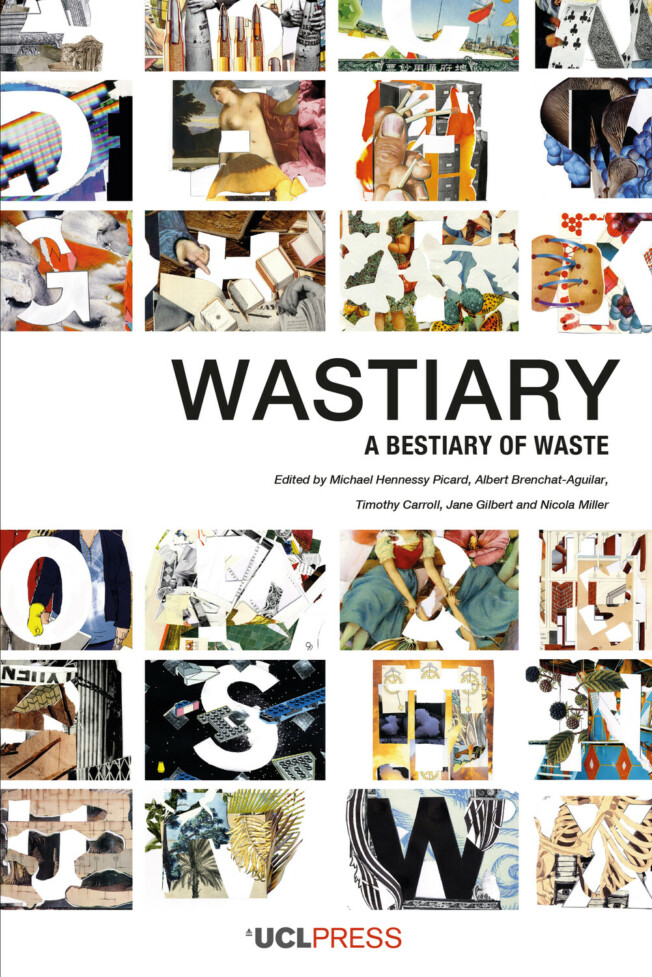
Wastiary, or Bestiary of Waste, is a creative exercise that occupies letters, numbers, and symbols of Western academic language to compose a list of 35 short entries on the uncomfortable but pressing topic of waste in the contemporary world. The collection is richly illustrated with artwork, photography, collage and mixed media.
The book is a heterodox compendium of ‘beasts of waste’, playfully re-imagining the medieval treatise on various kinds of animal. It conveys the message that various forms of waste and pollution have achieved a beast-like or untameable quality, at times pungently transferring to considerations of ‘the human’, or humans treated as waste.
Related titles
An Introduction to Waste Management and Circular Economy
Stijn van Ewijk, Julia Stegemann,
05 December 2023
Wastiary
A bestiary of waste
Publication date: July 3, 2023
Open Access PDF ISBN: 9781800085183
Paperback ISBN: 9781800085190
Hardback ISBN: 9781800085206
Trim size (hardback): 23.4cm x 15.6cm
Trim size (paperback): 23.4cm x 15.6cm
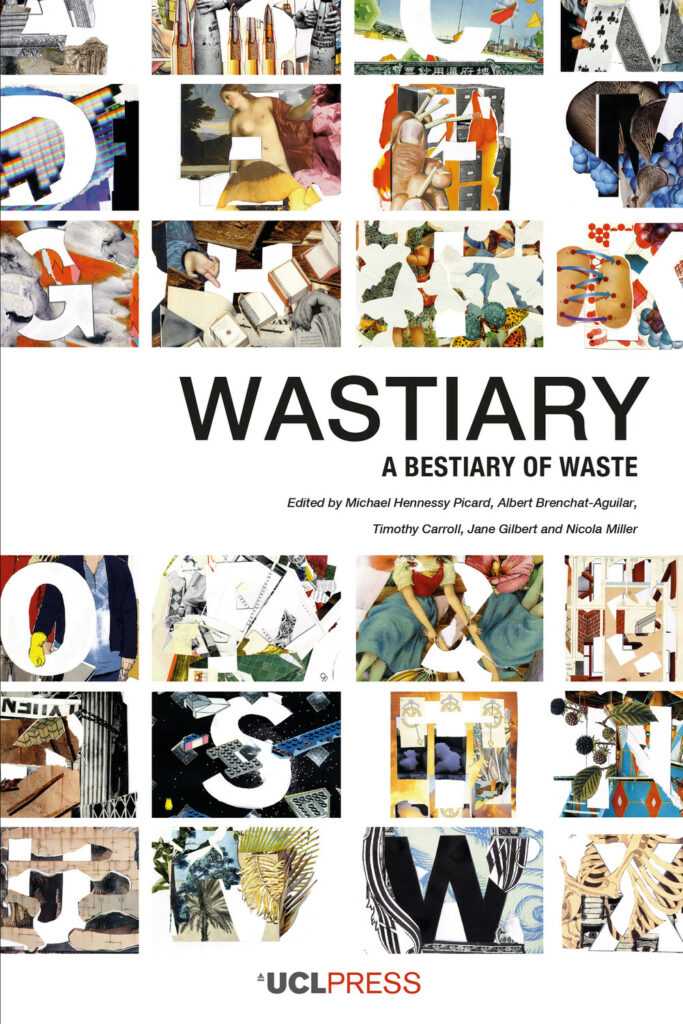
Wastiary, or Bestiary of Waste, is a creative exercise that occupies letters, numbers, and symbols of Western academic language to compose a list of 35 short entries on the uncomfortable but pressing topic of waste in the contemporary world. The collection is richly illustrated with artwork, photography, collage and mixed media.
The book is a heterodox compendium of ‘beasts of waste’, playfully re-imagining the medieval treatise on various kinds of animal. It conveys the message that various forms of waste and pollution have achieved a beast-like or untameable quality, at times pungently transferring to considerations of ‘the human’, or humans treated as waste.
‘Wastiary is a rich, stimulating and beautifully composed volume, not least courtesy of a very welcome emphasis on the visual. The comprehensiveness and variety of views, styles of writing, as much as disciplinary stances, and the embedded diversity of the book make for a recognisable intervention into waste/discard studies that can certainly capture the eye of the expert but also pique the appetite of the novice.’ Michele Acuto, University of Melbourne, Australia