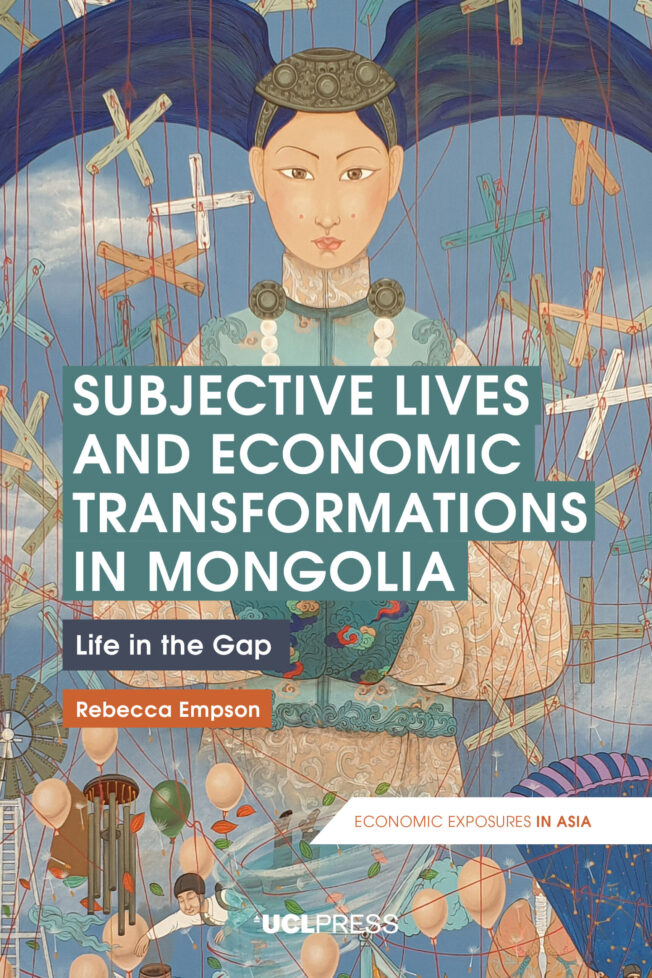

Subjective Lives and Economic Transformations in Mongolia
Life in the Gap
Rebecca M. Empson (Author)
Series: Economic Exposures in Asia
Almost 10 years ago the mineral-rich country of Mongolia experienced very rapid economic growth, fuelled by China’s need for coal and copper. New subjects, buildings, and businesses flourished, and future dreams were imagined and hoped for. This period of growth is, however, now over. Mongolia is instead facing high levels of public and private debt, conflicts over land and sovereignty, and a changed political climate that threatens its fragile democratic institutions.
Subjective Lives and Economic Transformations in Mongolia details this complex story through the intimate lives of five women. Building on long-term friendships, which span over 20 years, Rebecca documents their personal journeys in an ever-shifting landscape. She reveals how these women use experiences of living a ‘life in the gap’ to survive the hard reality between desired outcomes and their actual daily lives. In doing so, she offers a completely different picture from that presented by economists and statisticians of what it is like to live in this fluctuating extractive economy.
Related titles
Environment and Post-Soviet Transformation in Kazakhstan’s Aral Sea Region
William Wheeler,
25 October 2021
Subjective Lives and Economic Transformations in Mongolia
Life in the Gap
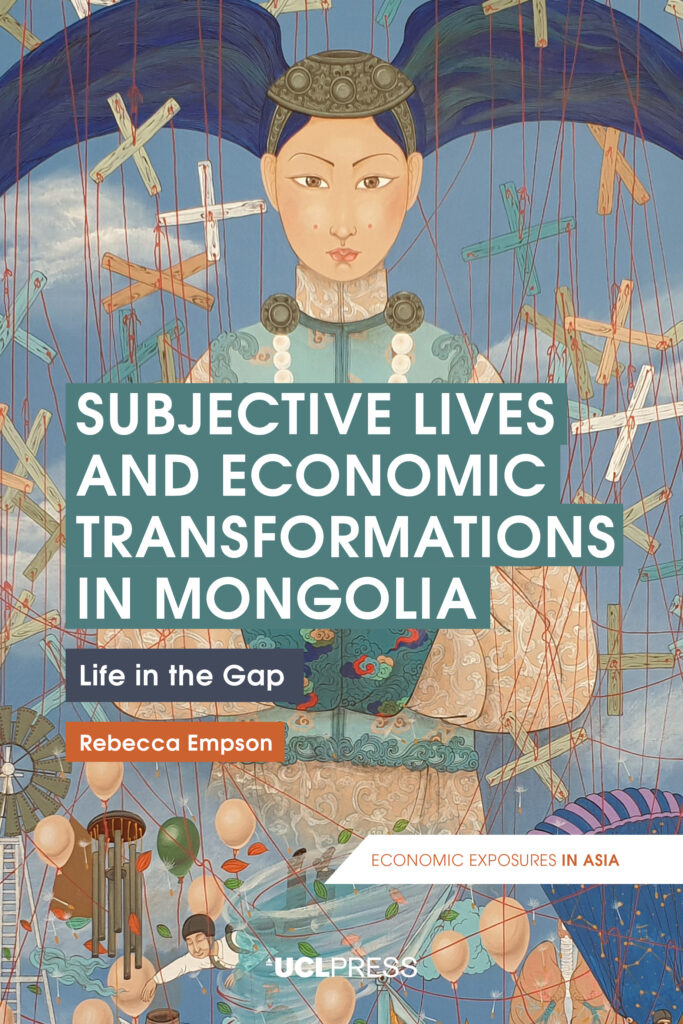
Almost 10 years ago the mineral-rich country of Mongolia experienced very rapid economic growth, fuelled by China’s need for coal and copper. New subjects, buildings, and businesses flourished, and future dreams were imagined and hoped for. This period of growth is, however, now over. Mongolia is instead facing high levels of public and private debt, conflicts over land and sovereignty, and a changed political climate that threatens its fragile democratic institutions.
Subjective Lives and Economic Transformations in Mongolia details this complex story through the intimate lives of five women. Building on long-term friendships, which span over 20 years, Rebecca documents their personal journeys in an ever-shifting landscape. She reveals how these women use experiences of living a ‘life in the gap’ to survive the hard reality between desired outcomes and their actual daily lives. In doing so, she offers a completely different picture from that presented by economists and statisticians of what it is like to live in this fluctuating extractive economy.
‘a comprehensive and dispassionate account following the lives of five women’
Inner Asia
‘The strength of the book lies in showing how these women are simultaneously troubled and inspired by the economic transformation without either celebrating their resilience or victimizing them’
Journal of the Royal Anthropological Instiiute (JRAI)