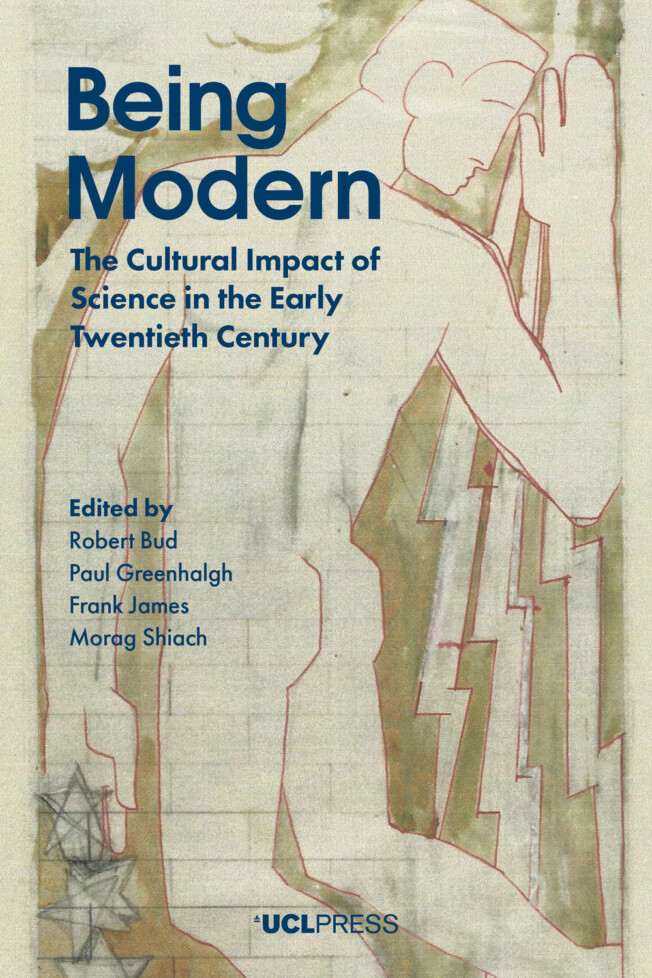

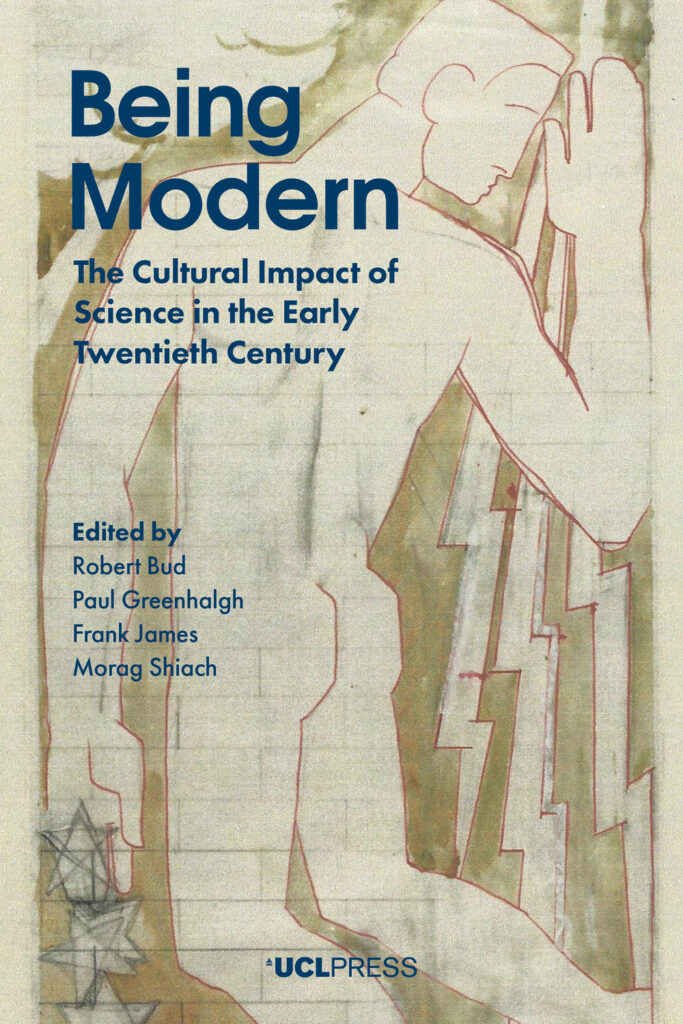
Being Modern
The Cultural Impact of Science in the Early Twentieth Century
Robert Bud (Editor), Paul Greenhalgh (Editor), Frank James (Editor), Morag Shiach (Editor)
In the early decades of the twentieth century, engagement with science was commonly used as an emblem of modernity. This phenomenon is now attracting increasing attention in different historical specialties. Being Modern builds on this recent scholarly interest to explore engagement with science across culture from the end of the nineteenth century to approximately 1940.
Addressing the breadth of cultural forms in Britain and the western world from the architecture of Le Corbusier to working class British science fiction, Being Modern paints a rich picture. Seventeen distinguished contributors from a range of fields including the cultural study of science and technology, art and architecture, English culture and literature examine the issues involved. The book will be a valuable resource for students, and a spur to scholars to further examination of culture as an interconnected web of which science was a critical part, and to supersede such tired formulations as ‘Science and culture’.
Related titles

A History of Scientific Journals
Aileen Fyfe, Noah Moxham, Julie McDougall-Waters, Camilla Mørk Røstvik,
03 October 2022
Women in the History of Science
Hannah Wills, Sadie Harrison, Erika Jones, Rebecca Martin, Farrah Lawrence-Mackey,
06 March 2023
Being Modern
The Cultural Impact of Science in the Early Twentieth Century
In the early decades of the twentieth century, engagement with science was commonly used as an emblem of modernity. This phenomenon is now attracting increasing attention in different historical specialties. Being Modern builds on this recent scholarly interest to explore engagement with science across culture from the end of the nineteenth century to approximately 1940.
Addressing the breadth of cultural forms in Britain and the western world from the architecture of Le Corbusier to working class British science fiction, Being Modern paints a rich picture. Seventeen distinguished contributors from a range of fields including the cultural study of science and technology, art and architecture, English culture and literature examine the issues involved. The book will be a valuable resource for students, and a spur to scholars to further examination of culture as an interconnected web of which science was a critical part, and to supersede such tired formulations as ‘Science and culture’.
‘Being Modern‘s aim to initiate wider discussions about the role of science in studies of modernity across cultural studies, English literature, art history and the history of science is met through the wealth of papers and clear editorial direction. This book provides a valuable resource for scholars and students of the period broadly concerned with the culture of modernity.’
The British Journal for the History of Science